
Ninety percent. That’s roughly how much of the Caribbean’s iconic branching coral has disappeared since the 1970s. And yet, just offshore from where you’re reading this, divers are quietly reversing that number — one hand-grown coral fragment, one toothbrush, one carefully “planted” colony at a time.
If you’ve snorkeled or dived along the coast of Tulum, you already know why this stretch of the Mexican Caribbean feels so special. Just offshore lies part of the Mesoamerican Reef, the second-largest barrier reef system in the world — a living structure that shelters sea turtles, rays, and thousands of fish species, and that protects our beaches from erosion and storm surge. But like reefs across the Caribbean, it’s under real pressure: warming water, disease, and declining water quality have wiped out huge stretches of coral over the past few decades.
The good news is that here in Tulum and along the coast in Akumal, local organizations are doing something about it — and it’s one of the most hopeful, and surprisingly hands-on, conservation stories in the region right now. It’s also one more reason diving and snorkeling in Tulum is such a special experience — you’re not just visiting a reef, you’re witnessing one being rebuilt in real time.
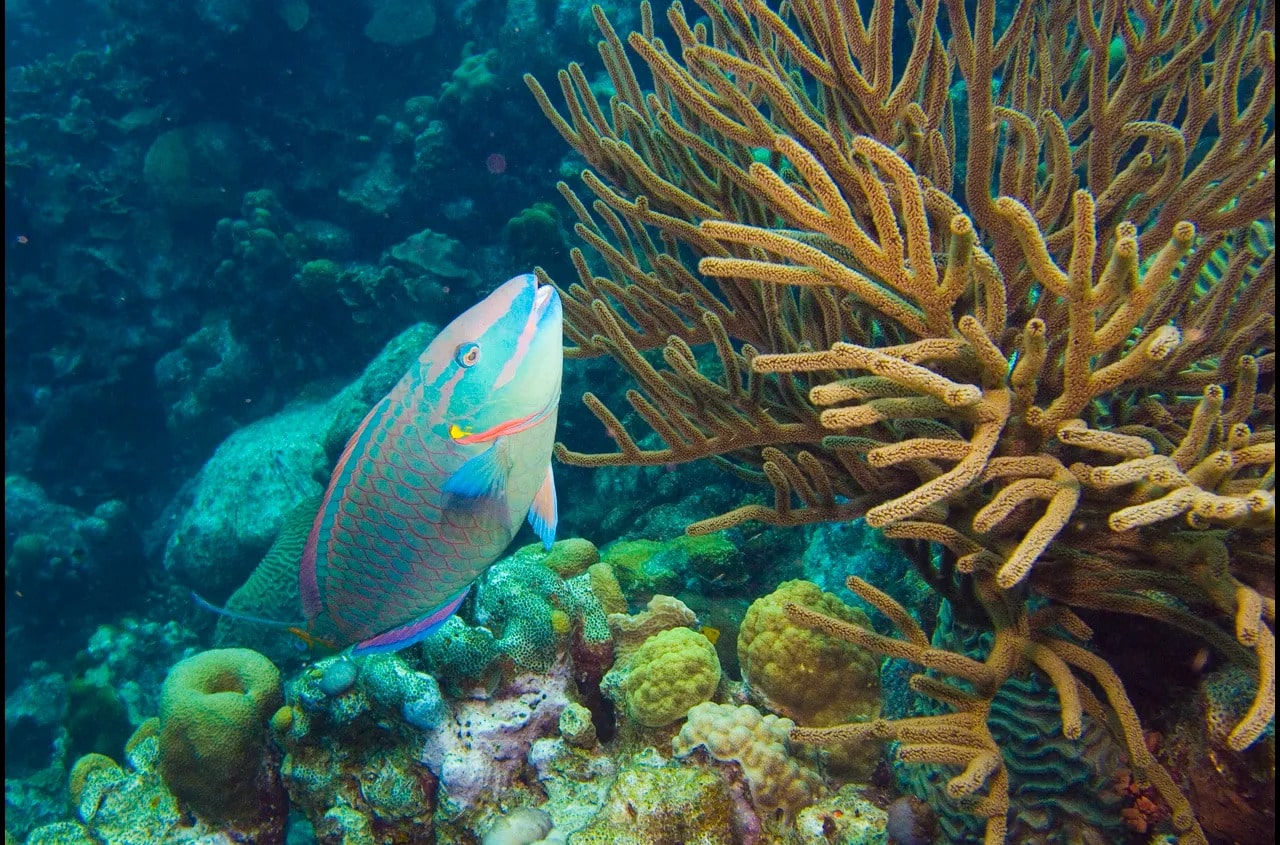
How a Coral Nursery Actually Works
Restoration organizations working near Tulum, like CEA Akumal, run what’s essentially an underwater nursery. The process mimics something corals already do naturally.
It starts with fragments. When a branch of coral breaks off naturally, it can reattach elsewhere on the reef and grow into a brand-new colony. Restoration teams collect these “opportunity fragments” — pieces that are already broken and scattered on the seafloor — and hang them on suspended nursery lines underwater, almost like an underwater clothesline.
Then comes the maintenance. This is less glamorous than it sounds: divers regularly clean the growing fragments, often with something as simple as a toothbrush, to scrape off algae that would otherwise smother and kill the coral. It’s slow, repetitive, unglamorous work — and it’s essential. A neglected nursery line can lose its corals to algae overgrowth in weeks.
And then, growth. Over months, fragments knit themselves into small colonies, gradually building enough size and resilience to survive out on the open reef.
The Two Species Leading the Restoration
Restoration efforts here focus heavily on two species: Acropora palmata (elkhorn coral) and Acropora cervicornis (staghorn coral). Both are branching corals that once dominated Caribbean reefs, forming the dense underwater “forests” that gave the reef its structure and biodiversity. Both are also incredibly vulnerable — sensitive to thermal stress, disease, and poor water quality, which is exactly why their populations collapsed so dramatically starting in the 1970s and 80s.
But there’s a reason restoration groups keep coming back to these two species: they grow fast, and they reproduce well from fragments. That combination makes them ideal candidates for the kind of hands-on, community-driven restoration happening along this coast.
Planting the Reef
Once colonies are large enough and healthy enough, and once conditions are right, they’re ready to be outplanted onto the reef — essentially planted, the same way you’d plant a sapling in the ground.
In Tulum, this planting window typically falls in winter, around December and January, when the water tends to be calmer and clearer, giving the coral its best shot at taking hold. Divers attach the coral fragments directly onto the natural reef structure using marine-safe cement, which holds the coral firmly in place while it fuses to the rock and begins growing as part of the reef itself.
That’s not the end of the work, though. Newly planted colonies are fragile in their first months on the reef — vulnerable to storms, predators, and disease — so teams return again and again to monitor them, making sure the investment of time and care that went into growing them isn’t lost.
Why It Matters — For the Reef, and for Tulum
Healthy reefs aren’t just beautiful to swim over. They buffer the coastline from waves and storms, support the fish populations that sustain local fishing communities, and underpin the marine biodiversity that makes this coast worth visiting in the first place. The most recent Mesoamerican Reef Report Card shows just how much work remains — most monitored reef sites are still rated poor or critical — but also that recovery is possible where restoration and protection efforts are strongest. Every colony that gets successfully planted is a small but real step toward a reef system that can better withstand the pressures of a warming ocean.
For those of us who call this coast home — and for everyone who visits and falls in love with it — supporting this work matters. Organizations like CEA Akumal often welcome volunteers, donations, and simply more awareness of what’s happening just beneath the surface a few kilometers from shore.
Next time you’re floating over the reef in Tulum, know that somewhere nearby, there’s a good chance a patch of coral you’re looking at was grown by hand, cleaned with a toothbrush, and carefully planted by someone who believes this reef is worth saving.
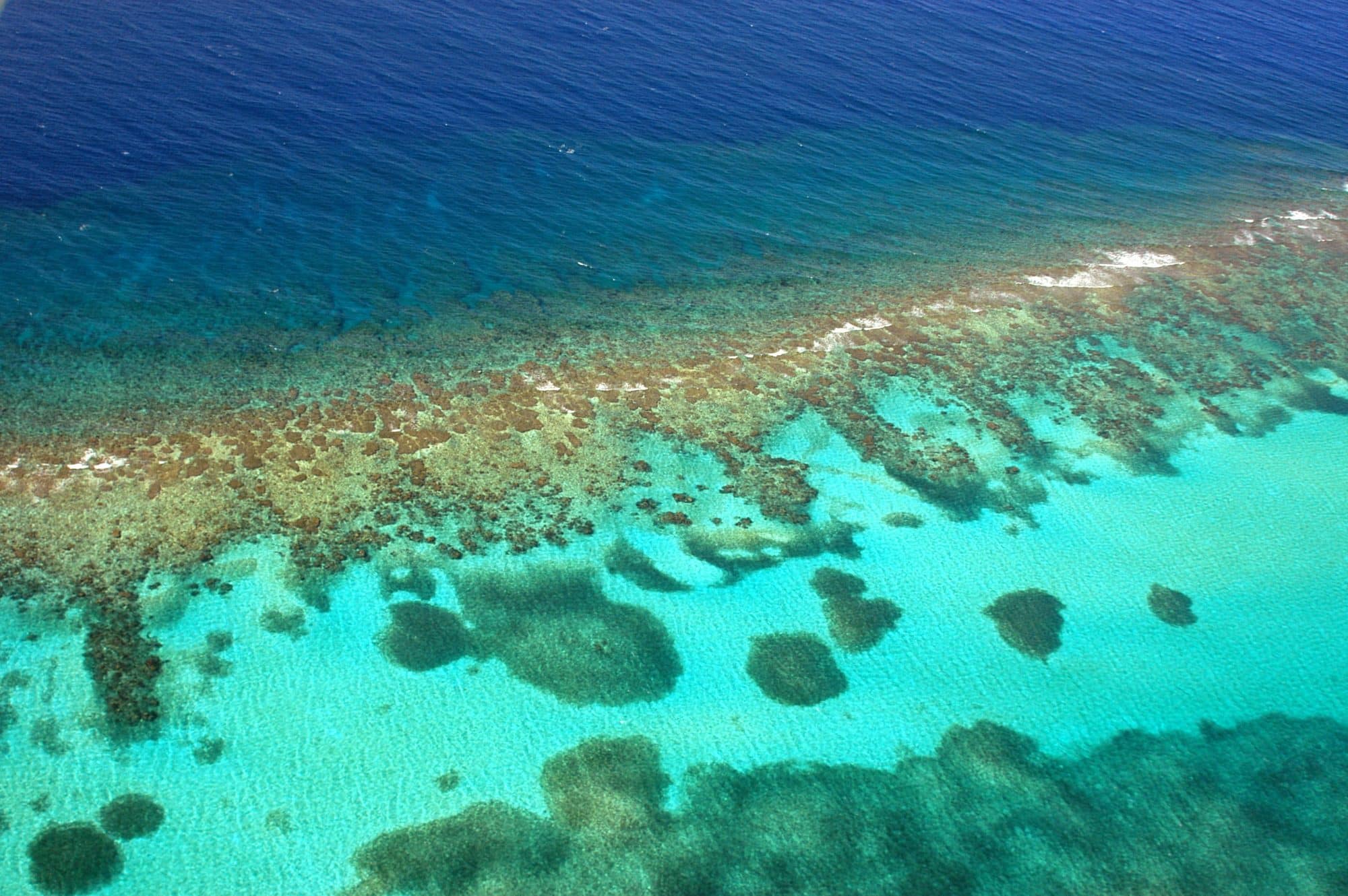
What This Means for Every One of Us Who Visits
Here’s the part that’s easy to skip past: restoration only works if the rest of us don’t undo it. A team can spend a year growing a coral colony the size of your hand — and a single careless fin kick, a hand reaching out to “just touch it,” or a swipe of the wrong sunscreen can undo months of that work in seconds.
So if Tulum’s and Akumal reefs matters to you — and if you’re planning to get in the water while you’re here — a few things genuinely make a difference:
- Wear reef-safe sunscreen. Look for mineral formulas (zinc oxide or titanium dioxide) and avoid oxybenzone and octinoxate, both of which are toxic to coral even in tiny concentrations.
- Look, don’t touch. Coral is a living animal, not a rock. Even a light brush can strip away the protective mucus layer that keeps it alive, and standing or kneeling on it can kill decades of growth instantly.
- Keep your fins and hands to yourself. Maintain distance, control your buoyancy if you’re diving, and be mindful of where a stray kick might land.
- Choose responsible operators. Book tours and dive shops that follow reef-safe practices, brief guests before entering the water, and ideally support or partner with local restoration groups. Our concierge team can help match you with operators who take this seriously.
- Support the work directly. Organizations like CEA Akumal often accept donations, volunteers, and even divers willing to help with nursery maintenance — cleaning lines, monitoring outplants, or simply spreading the word.
None of this requires giving anything up. It just means being a guest who leaves the reef a little better than they found it — which, honestly, is the least this place deserves for everything it gives us.
How You Can Help Directly
If you’d like to do more than dive responsibly, CEA Akumal accepts donations that go straight toward running the coral nurseries — funding dive time, equipment, and the ongoing maintenance that keeps these fragments alive long enough to be planted. Even a small contribution helps cover real, recurring costs: cleaning supplies, boat fuel for nursery visits, and the marine-safe cement used at planting time. It’s one of the most direct ways to put money behind the reef’s recovery, rather than just admiring it from the surface.
Interested in seeing the reef for yourself, or learning more about the restoration projects along the coast? Get in touch with our team — we’re happy to point you toward the right tours, dive shops, and conservation groups making this happen. And for more stories like this one, check out our Tulum blog or explore our full guide to outdoor activities in Tulum.
